

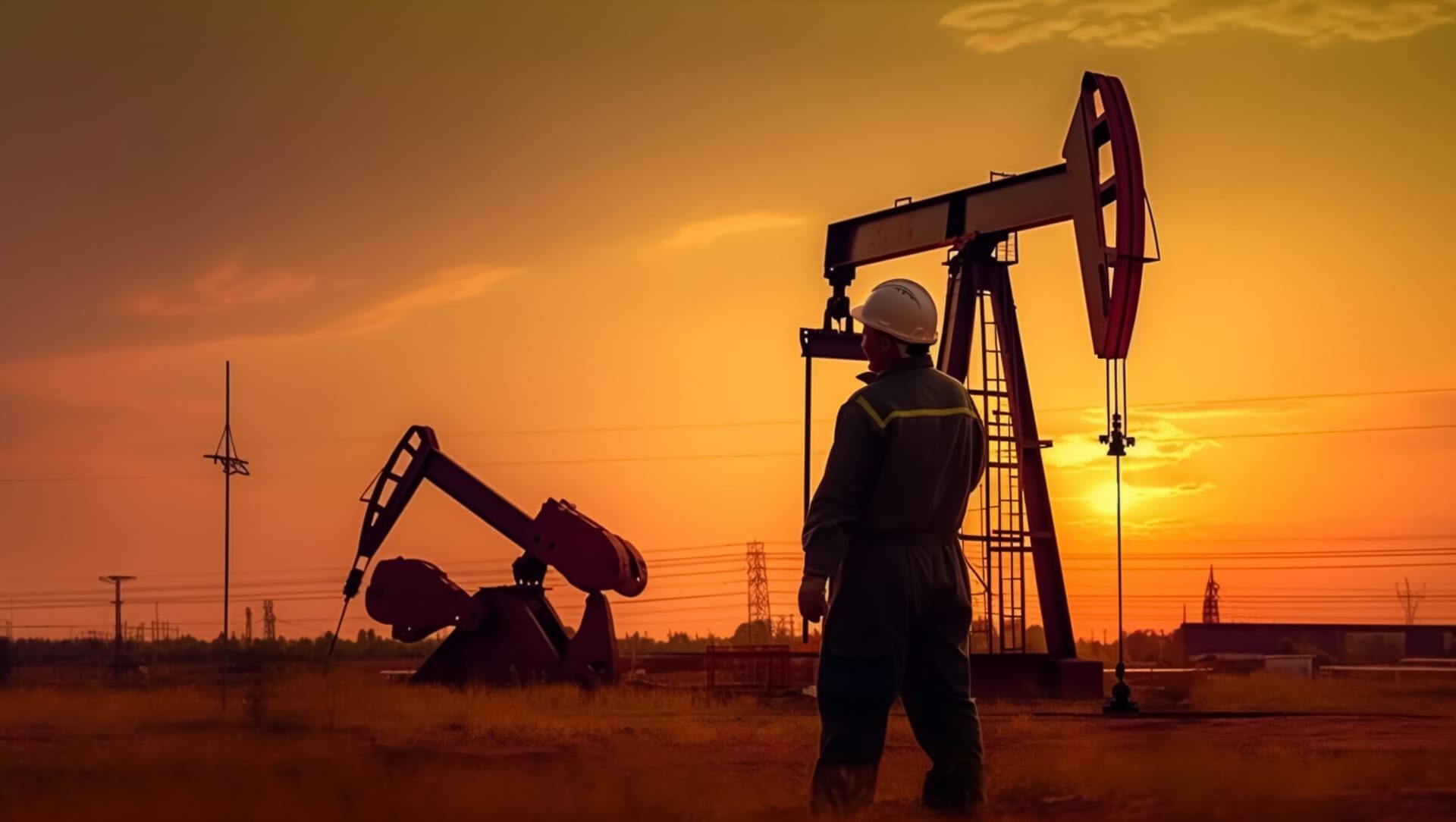

The global energy sector is undergoing a massive digital overhaul, and nowhere is this shift clearer than in the modern Gas Drilling System. Today’s drill sites are moving away from traditional mechanical control toward fully integrated, automated ecosystems powered by high-speed Internet of Things (IoT) sensors, advanced supervisory control, and automated fluid management.
These advancements are transforming gas extraction—boosting output while minimizing operational hazards and unplanned downtime.
Key Innovations Driving Modern Gas Drilling Systems
Recent breakthroughs across rig operations center on real-time data transparency and precise pressure management:
- IoT-Powered SCADA Integration: Rigs now connect Programmable Logic Controllers (PLCs) and field sensors directly to centralized cloud and edge dashboards. Operators monitor crucial metrics—including rotary speed, bit depth, continuous mud flow, and gas-cut levels—in real time on mobile or web interfaces.
- Automated Mud Pump & Circulation Control: Positive-displacement triplex mud pumps now feature precision sensors that continuously calculate fluid displacement against downhole pressure. Automated adjustment cuts down on equipment stress and helps prevent costly well control events.
- Predictive Blowout & Pressure Safety: Advanced analytics constantly monitor downhole gas anomalies and blowout preventer (BOP) metrics. If pressure thresholds spike unexpectedly, automated alarms trigger safety protocols before manual intervention is even required.
What This Means for the Industry
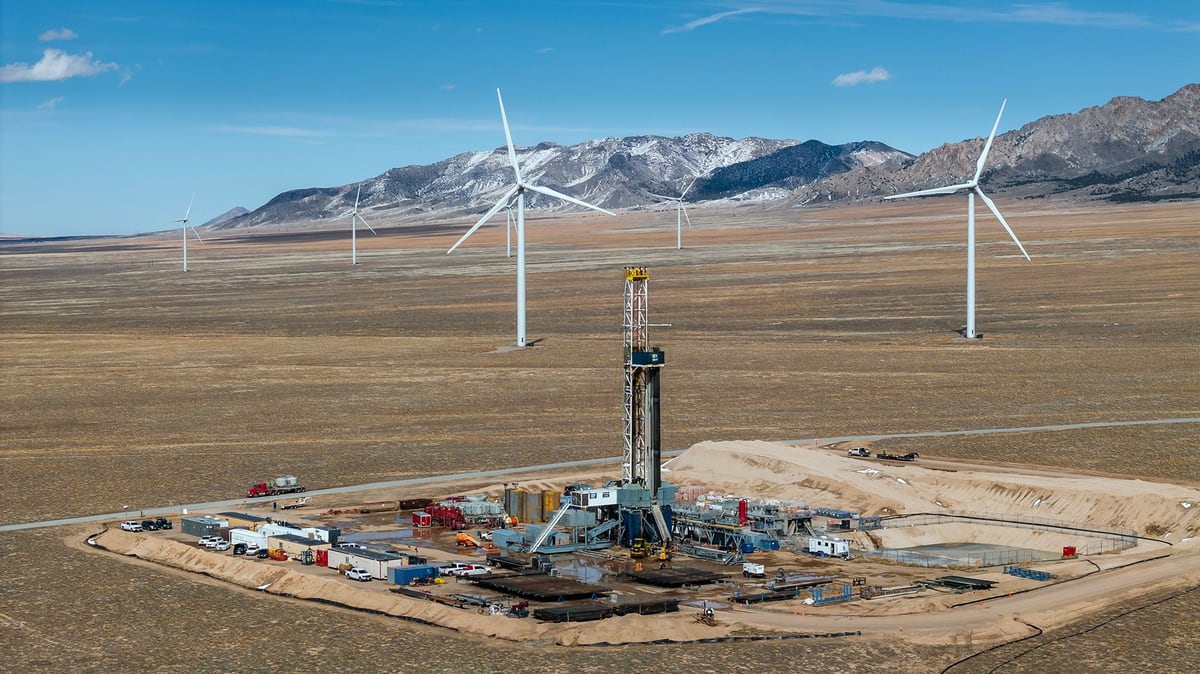
For energy producers, adopting smart gas drilling technology translates to higher drilling accuracy, lower environmental impact from accidental venting, and reduced risk to site personnel. As regulatory standards around extraction safety tighten globally, automated gas drilling systems are rapidly shifting from an optional upgrade to an industry standard.For energy producers, adopting smart gas drilling technology translates to higher drilling accuracy, lower environmental impact from accidental venting, and reduced risk to site personnel. As regulatory standards around extraction safety tighten globally, automated gas drilling systems are rapidly shifting from an optional upgrade to an industry standard.
For energy producers, adopting smart gas drilling technology translates to higher drilling accuracy, lower environmental impact from accidental venting, and reduced risk to site personnel. As regulatory standards around extraction safety tighten globally, automated gas drilling systems are rapidly shifting from an optional upgrade to an industry standard.For energy producers, adopting smart gas drilling technology translates to higher drilling accuracy, lower environmental impact from accidental venting, and reduced risk to site personnel. As regulatory standards around extraction safety tighten globally, automated gas drilling systems are rapidly shifting from an optional upgrade to an industry standard.For energy producers, adopting smart gas drilling technology translates to higher drilling accuracy, lower environmental impact from accidental venting, and reduced risk to site personnel. As regulatory standards around extraction safety tighten globally, automated gas drilling systems are rapidly shifting from an optional upgrade to an industry standard.